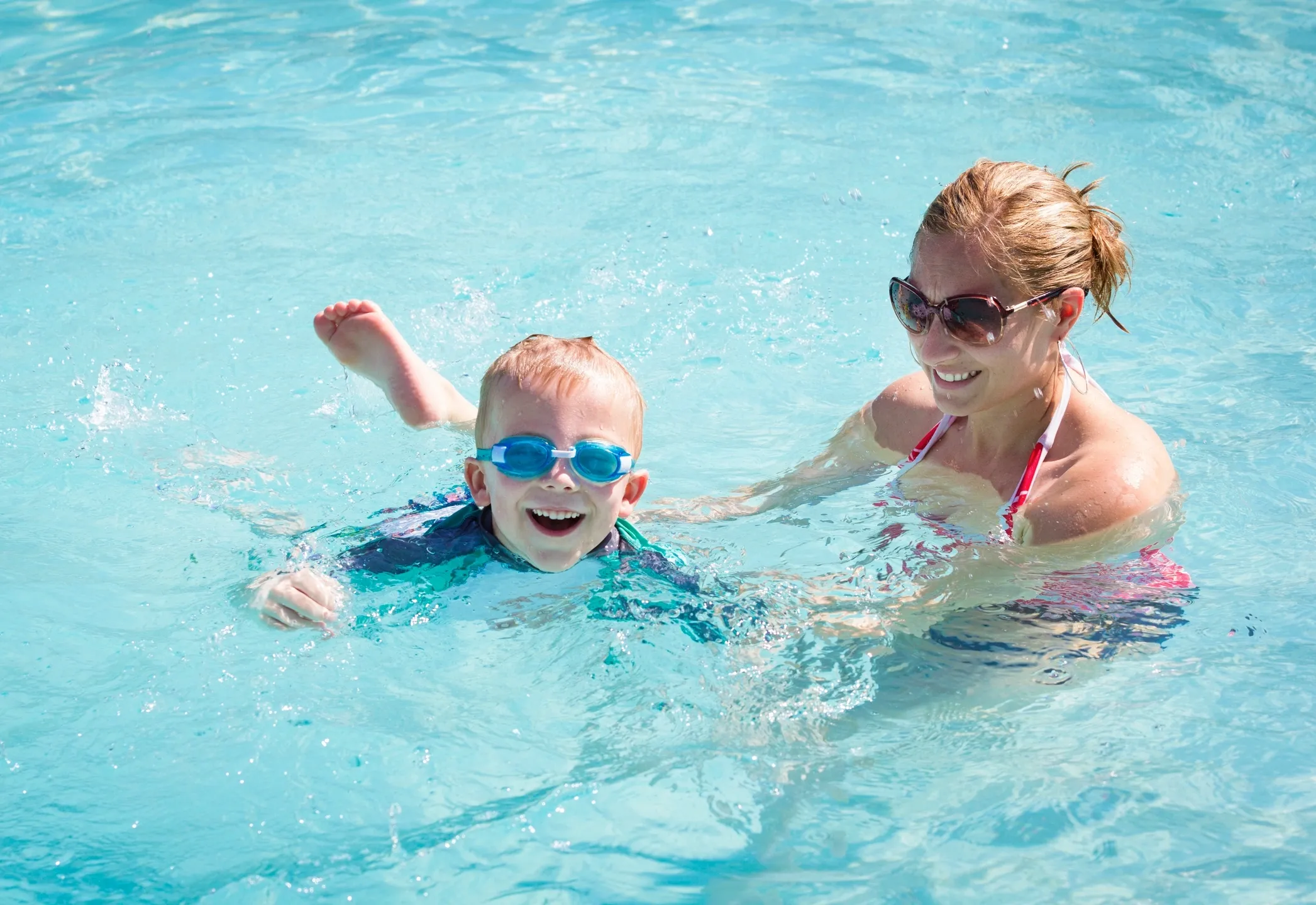
It’s summer, which means splish-splash and giggles, and the sound of kids having fun in the pool. But before you jump in, it’s important to first ensure safety. Because no one wants a pool party to end up like a Friday the 13th sequel.
Importance of Kid-Friendly Pool Safety
A safe pool for kids is a key element to ensuring children’ s fun and safety. Drowning is the number one cause of accidental death for children one to four years of age, which illustrates the importance for careful supervision and safety measures. Parents are crucial in teaching their children water safety, which can prevent potential mishaps.
Creating a safe pool environment is crucial. A fence that is at least four feet tall with self-closing gates can prevent unauthorized entry. Pool alarms can notify parents if a child enters the pool, further enhancing safety.
Swimming lessons also contribute to safety. Lessons tailored for young children can teach basic skills and promote comfort in the water. Swim lessons help children to remain calm during an emergency situation, enabling them to act appropriately.
The most important safety measure in the pool is supervision. Constant supervision keeps an eye on children, in and out of the pool. Having a “water watcher” at social events ensures continuous vigilance of children’s activities.
Being prepared for emergencies is essential. Being trained in CPR and having access to rescue equipment are life-saving measures. Having a first-aid kit handy brings a sense of security to pool activities.
Children’s pool safety allows for a multi-pronged approach to improve safety and fun. Parents can have fun during summer pool time and ensure their kids are safe by following these tips.
Key Safety Features to Look For
Proper safety fittings are crucial in children’s pool safety. Parents can reduce the risks through these measures.
Fencing and Barriers
Fencing is the first line of protection against accidental drownings. Fencing at least four feet high and barriers to deny access when the pool is not being used. Use self-latching and closing gates that are kept locked.
Barriers can also be pool covers, which offer an additional level of safety when the pool is not in use. Use materials that are hard to climb or fit through in the design of barriers. Check the fencing and barriers for wear and tear to keep them safe.
Alarms and Safety Covers
Alarms warn parents if the kids come near the pool. Look for door and pool alarms, which will alert you of movement. Many pool covers also act as barriers to prevent falling in. Be sure to choose a cover that can hold the weight of an adult. Regularly testing alarm systems and safety covers ensures they are in good working condition. Using these devices provides greater comfort during pool season.
Supervision Guidelines
Children need supervision to stay safe around pools. Active supervision is essential in reducing the risk of injuries while swimming.
Active Supervision Techniques
Keeping an eye on children in the pool. This allows for immediate reaction to any events. Parents can ensure safety by minimizing distractions, like mobile phones or conversation.
Regular headcounts ensure everyone is present in and around the pool. Partaking in pool activities with children is safer. Regular check-ins, particularly with more than one child, will help avoid accidents. One adult should be present for every three children in the water.
Designating a Water Watcher
Appointing a water watcher at parties is recommended. An adult takes on the role of constant supervision without distractions. Rules for the watcher can include safety measures such as use of floats and emergency procedures.
The responsibility can be shared in the family. The adults need to appreciate the importance of supervision, particularly for younger children. Taking the role can reduce the “gaps” in supervision, ensuring kids are safer around the pool.
Teaching Kids About Pool Safety
Pool safety education is important in accident prevention. Knowing basic swim skills is the key to pool safety.
Basic Swimming Skills
Learning to float, tread water and basic strokes are basic swimming skills. Kids need to practise holding their breath and swimming short distances. Practicing lessons during normal swimming sessions promotes skill and confidence.
Attending swim lessons, preferably with qualified teachers, aids learning. Swim lessons have been proven to decrease the likelihood of childhood drowning. Practising these skills regularly reinforces the skills.
Pool Rules and Guidelines
Children need to learn the pool rules and guidelines. These should include no running around the pool, no diving in shallow water, and no swimming alone. Talking to children about these rules helps them understand and follow them. Having specific entry and exit points reinforces safety. Following these rules promotes safety and minimises risks while swimming. Parents can also display pool rules in the pool area for a reminder.
Emergency Preparedness
Being prepared in an emergency dramatically increases pool safety. Parents and children should be prepared for any emergency, knowing what to do and how to react quickly.
First Aid and CPR Training
CPR and first aid training is a must. CPR is a vital skill in emergencies. Courses such as those offered by the Red Cross teach these skills. Students are taught how to respond in a number of situations, including water-related situations.
Taking a CPR course can be reassuring, giving parents and caregivers a sense of security. Periodic refreshers help maintain and update skills. This is important for parents and carers who should attend these courses to ensure they know what to do in an emergency.
Emergency Contact Information
Contact information should be readily available. Having a list of emergency contacts, such as local police, ambulance, poison control and hospitals, allows a rapid response. Keeping this list in a prominent place such as beside the pool or on the refrigerator supports this.
It’s also important for children to learn the phone numbers of trusted adults. During events, having an adult responsible for emergencies fosters organisation. Parents should regularly update the information. A plan helps avoid chaos and hasten responses.
Creating a safe and safe swimming environment for kids is crucial for a happy summer. Through effective pool supervision and setting safety rules, we can mitigate the risk of accidents. Equipping children with important swimming lessons and emphasizing pool safety rules also promote a safer swimming environment.
Alongside these strategies, it’s important to be prepared for accidents. CPR skills and access to rescue equipment can be lifelines. Through awareness, education and preparedness, families can ensure a safe poolside experience where kids can enjoy their summer.