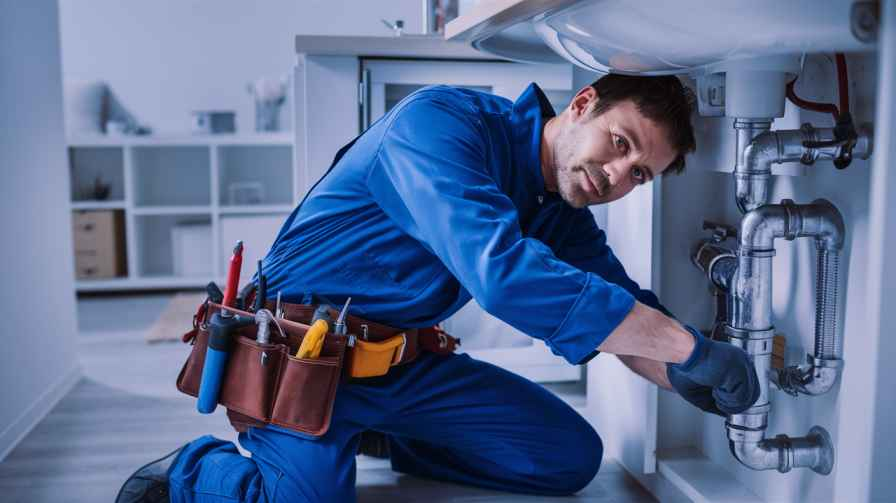
Plumbing systems are among the most used and least maintained components of most properties. As long as water flows and drains clear, most owners give little thought to the infrastructure beneath their floors and within their walls. This inattention creates the conditions for the kinds of failures that arrive at the worst moments with the highest price tags. A structured approach to plumbing maintenance prevents most of these failures and extends the service life of the entire system significantly.
The True Cost of Running a Property Without Plumbing Maintenance
Reactive plumbing costs like emergency call-outs, water damage remediation, component replacement under crisis conditions consistently outpace the equivalent expenditure on prevention. Beyond direct financial costs, plumbing failures disrupt operations, inconvenience occupants, and in commercial settings can halt business entirely. A property with a documented maintenance history also presents more favorably in valuation and sale processes than one with a reactive repair record that suggests underlying neglect of the building’s systems.
Hydro Jetting: Deep Cleaning That Restores Full Drain Capacity
Conventional drain clearing methods address the immediate blockage but rarely return a pipe to its full carrying capacity. Professional hydro jetting services use high-pressure water to scour pipe walls clean of grease, scale, mineral deposits, and organic buildup that accumulate over years of use. The result is a pipe that drains as efficiently as when first installed, with a significantly extended interval before the next service is needed. For commercial kitchens, multi-tenant properties, and any drain system under heavy use, hydro jetting is the most thorough and cost-effective maintenance investment available.
Boiler and Heating System Care That Prevents Costly Failures
A property’s heating system is one of its most financially significant components, and its reliable operation through winter depends on servicing completed before the heating season begins. Professional boiler service involves cleaning the heat exchanger, checking combustion efficiency, testing safety controls, inspecting the flue, and verifying pressure and temperature settings. These checks identify components approaching end of life before they fail during operation, avoiding the emergency replacement costs and heating outages that mid-winter boiler failures consistently create.
Building a Maintenance Schedule That Matches Your Property
Effective plumbing maintenance is not one-size-fits-all. A commercial kitchen drain system has different service frequency requirements than a residential bathroom drain. A multi-story commercial property has different hot water system demands than a single-family home. Building a maintenance schedule that reflects actual usage patterns, equipment age, and system complexity ensures maintenance resources are applied where the risk of failure is highest, delivering maximum value from every service visit.
Signs That Your System Needs Immediate Professional Attention
Between scheduled maintenance visits, certain symptoms warrant prompt professional assessment regardless of when the last service was completed. Unexplained increases in water bills suggest a supply leak somewhere in the system. Discolored hot water indicates tank corrosion or sediment issues. Gurgling sounds from drain fixtures suggest partial blockages or venting problems. Any smell of gas associated with gas-fired plumbing equipment demands immediate professional response and should never be addressed through DIY investigation.
Conclusion
Regular plumbing maintenance is one of the most straightforward ways to protect a property and its occupants from preventable disruption. The combination of professional inspection, deep drain cleaning, and heating system servicing creates a maintenance foundation that identifies and addresses issues before they escalate. For property owners committed to responsible stewardship of their buildings, structured plumbing maintenance belongs at the center of the annual maintenance plan.