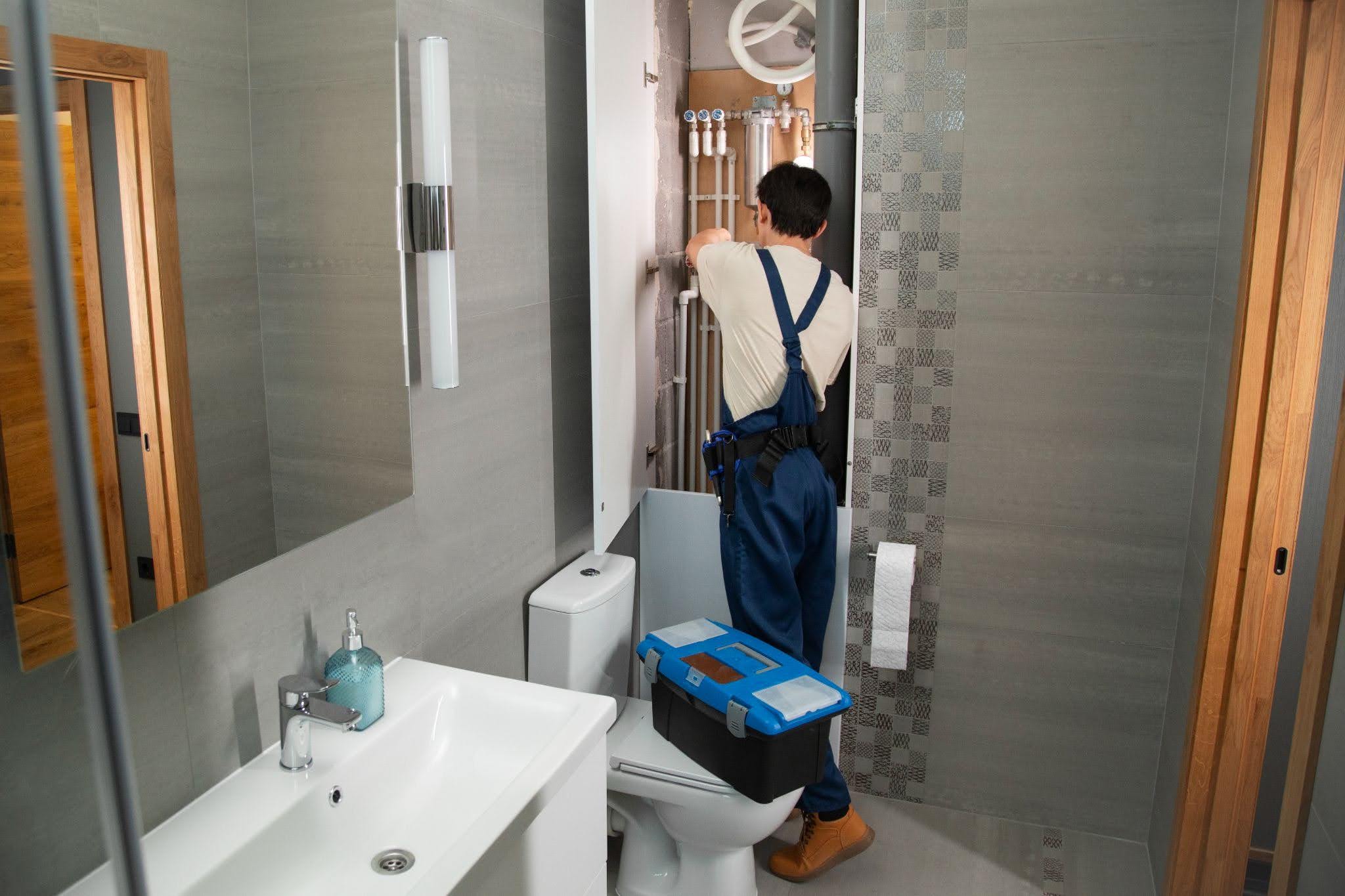
Homeowners often make important decisions about repairs, renovations, and property upgrades before they contact a contractor. They compare options, look for explanations they can understand, and want to know whether a business has experience with the problem at hand. Useful articles on relevant websites can help professionals share that knowledge with readers who are already researching their homes. When approached thoughtfully, guest posting can support a business’s reputation without turning every article into a sales pitch.
Share Knowledge Before Asking for a Job
A strong guest article answers a real question. A roofing contractor might explain how to spot early signs of water intrusion, while an insulation specialist could describe why some rooms stay cold despite a functioning heating system. These subjects give readers practical information and show the writer understands the work involved.
The focus should remain on the reader’s needs, not on listing services. Explain what a homeowner can safely check, when a problem calls for professional assessment, and what information to gather before requesting an estimate. Avoid presenting a general article as a substitute for an inspection: hidden damage, local building requirements, and the condition of an existing structure can change what solution is appropriate.
Choose a Publication That Fits the Topic
Not every website with a large audience is a suitable home for an article about construction or property care. Look for publications whose readers are likely to find the subject useful and whose existing articles demonstrate a compatible level of detail. A piece about preparing a home for a renovation may suit a family-focused site, while an explanation of inspection issues could be a better fit for a real estate audience.
Review the site’s recent coverage before proposing an idea. Note the tone, article length, formatting, and subjects that have already been covered. A clear understanding of the publisher’s expectations helps avoid pitches that are too broad or duplicate existing material. Before submitting, check the guest posting guidelines so the proposed topic and format match what the publication accepts.
Make the Advice Specific and Responsible
Readers benefit from concrete detail. Instead of saying that regular maintenance protects a home, describe a sensible inspection routine: check accessible areas for staining, keep gutters clear, and look for changes in doors or windows that could signal movement. For technical work, distinguish between basic observation and repairs that require training, permits, or specialist equipment.
Construction advice also needs context. Materials behave differently in different climates, and a solution that works for one building may not suit another. Mention the factors that affect the decision, such as ventilation, drainage, insulation levels, or the age of the property. This makes the article more useful and reduces the risk that readers will treat a general recommendation as a universal rule.
Use a Clear Structure
Organize the article around a question or decision the reader is trying to make. A simple structure might introduce the problem, explain its common causes, set out checks a homeowner can make, and identify signs that professional help is needed. Descriptive headings help readers find the section relevant to them, while short paragraphs make technical topics easier to follow.
Use examples carefully. A brief scenario can clarify why a small leak should not be ignored, but avoid inventing dramatic outcomes or implying that one repair will prevent every future problem. If the subject involves cost, timelines, or regulations, explain that these vary by location and project conditions. Accuracy is more valuable than a confident-sounding promise.
Plan the Work and Review It
Preparing a well-researched article takes time. The writer may need to check technical details, organize photographs or diagrams, and revise the draft to meet a publisher’s style. Businesses without an in-house writer can divide the work: a subject expert supplies practical knowledge, while an editor helps shape it into a readable article. If hiring freelance help, agree on the scope, deadlines, ownership, and revision process before work begins.
Platforms such as Osdire let buyers hire freelancers and professionals offer services across more than 900 categories, including writing and translation, graphics and design, and marketing. Its flat pricing has no hidden fees, and payment is held securely during an order and released after the buyer approves the delivered work. Even when using a marketplace, the business should have a knowledgeable person review construction claims before publication.
Measure Value Beyond Immediate Leads
A guest article may not produce an instant enquiry, and that is not the only measure of its usefulness. Readers may save it, share it with a family member, or remember the business when a related project comes up. Over time, a set of genuinely helpful articles can make it easier for prospective clients to understand a company’s approach and ask informed questions.
Track practical signals such as relevant reader responses, referral visits, and enquiries that mention the article. Also review whether the piece remains accurate as products, codes, or common practices change. A correction or update may be appropriate when circumstances shift. Publishing consistently is useful only when the information remains dependable.
Build Credibility Through Useful Work
For professionals in construction, repairs, and real estate, guest posting works best as an extension of good service: explain the issue clearly, respect the limits of general advice, and help readers make better decisions. Choosing the right publication, checking technical details, and editing carefully can turn an article into a lasting resource. The result is a more informed audience and a reputation built on practical knowledge rather than promotion alone.