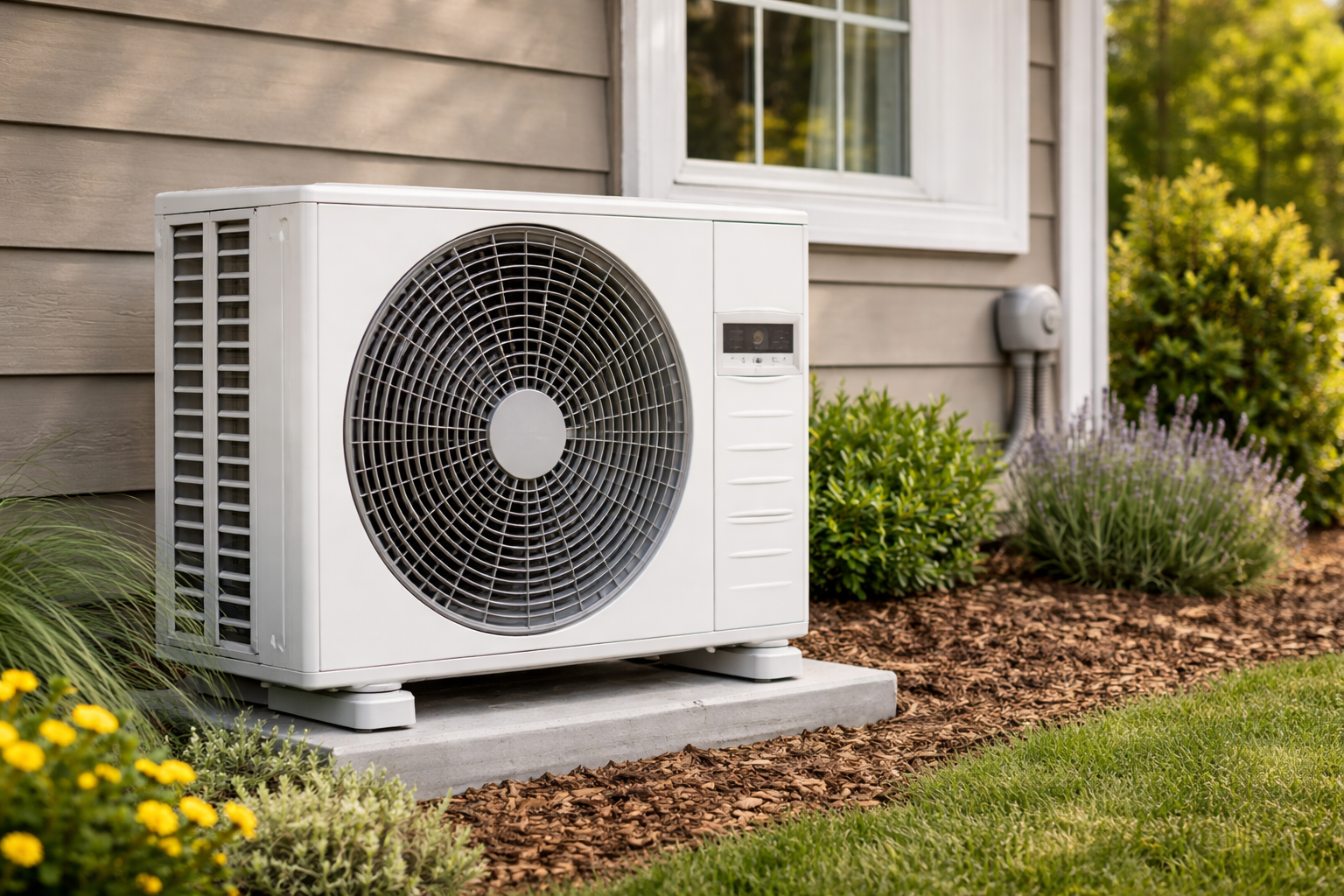
Heating systems such as heat pumps are becoming acknowledged for their effectiveness and versatility, particularly in areas that have changing seasons and requirements. People who are considering installing a heat pump in Chattanooga frequently want to know the impact of local climate conditions on efficiency and long-term comfort. Since heat pumps depend on the transfer of heat instead of creating it, temperatures outside are a major factor in their ability to function throughout the year. A professional evaluation and installation will ensure that these systems are suited for the regional climate and everyday household demands.
Understanding the connection between temperature and the performance of the heat pump lets property owners make educated decisions. With expert guidance, heat pumps are able to provide continuous indoor comfort while assisting energy efficiency targets across various conditions.
The Effects of Temperature on Heat Pump Efficiency
Climate is directly influenced by how the heat pump is able to transfer heat between the outdoor and indoor surroundings. In warmer weather, the heat pumps work at great efficiency as they use less energy to draw warm air. If temperatures fall or rise substantially, the system needs to be more efficient to ensure the comfort of indoor temperatures.
The seasonal fluctuations affect the frequency at which a system turns between on and off. Professionally trained technicians evaluate the local climate and system capacity to ensure that the system is designed and built correctly. This focus on detail helps to avoid unnecessary strain and ensures the system’s performance throughout both warm summers and cooler winters.
Controlling Performance in the Winter
Colder weather brings special difficulties in the field of heat pump technology. As the temperature of the outdoor air gets colder, capturing usable heat takes more effort. Modern HVAC systems are built to withstand these conditions. However, proper setup and regular maintenance is essential. Professional inspections verify that parts are working properly and that airflow does not get blocked.
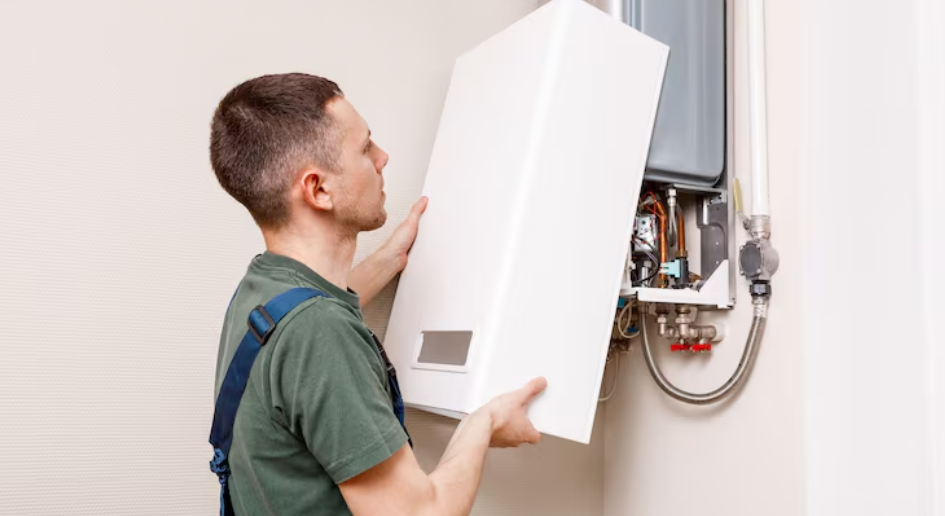
Many homeowners gain from knowing the differences between different heating systems. Understanding the differences between gas furnaces and heat pumps can help clarify the role of climate in the choice of system, as well as long-term efficiency. This information can help make a more informed decision in the planning of heating options.
The Impact of Humidity on Indoor Comfort
The humidity levels have a significant impact on the efficiency of heat pumps. In humid conditions, heat pumps can help control humidity while ensuring the equilibrium of temperature. The proper control of humidity improves comfort and safeguards the quality of indoor air. If the systems are installed professionally and regularly maintained, they control the humidity better, thus reducing the chance of discomfort or irregular temperatures. Technicians assess insulation, ductwork, and the system’s settings to match performance with the regional humidity patterns.
System Adaptability and Seasonal Transitions
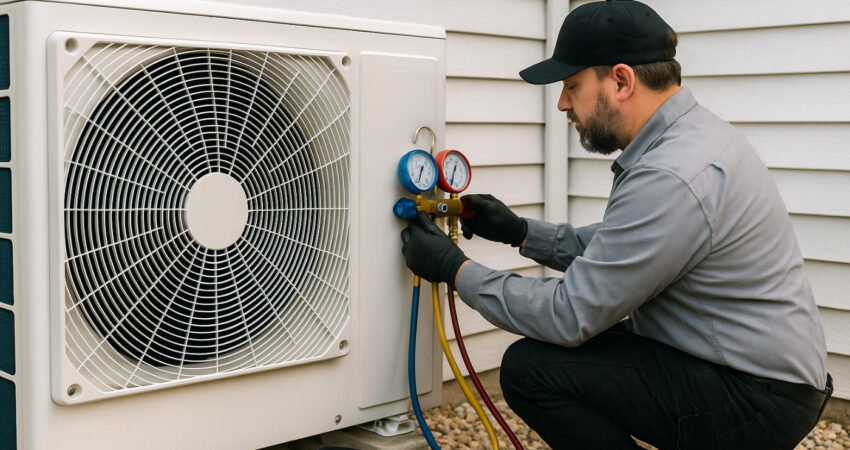
The transitional seasons, like autumn and spring, call for a system that is able to adapt to the changing weather conditions. Heating pumps are a great choice in these seasons where temperatures fluctuate between cool and warm. Professional calibration guarantees smooth transitions, without excess energy consumption or wear.
Regular service appointments enable professionals to improve system performance prior to seasonal changes. This proactive approach improves durability and prolongs the life of vital components.
Professional Installation and Monitoring’s Significance
The ability to respond to climate change is dependent on the expertise of installation and constant monitoring. Experts take into consideration the sun’s exposure, elevation, and the average temperature range when deciding on the configuration of systems. These variables affect how effectively the heat pump is able to be used all through the season.
Skilled oversight makes sure that the project is compatible with the existing infrastructure in the home. From electrical capacities up to the level of insulation, each aspect is crucial to achieving the best outcomes. Using a professional service decreases the possibility of inefficiencies caused by a poor installation.
Assisting with Long-Term Efficiency Objectives
Long-term performance is not just about selecting the right equipment but also about how the systems are maintained throughout time. The maintenance schedules that consider climate are helpful in identifying patterns of wear that are related to seasonal usage. This permits professionals to tackle minor issues before they impact the quality of life or efficiency. Through coordinating system maintenance with the demands of the climate, homeowners enjoy better efficiency and predictable usage of energy. Expert guidance ensures that systems operate in a perfect manner regardless of the weather.
Conclusion
The climate plays a major aspect of the way that heat pump systems function through the seasons, affecting the efficiency, comfort, and reliability. Understanding these elements allows homeowners to make educated choices that are in line with the regional climate patterns. With a professional installation, ongoing monitoring, and adjustments to the climate heating systems, one can provide consistent indoor comfort throughout the year as well as assist in the long-term goal of energy efficiency.