In an era of rising energy costs, homeowners are increasingly looking for effective ways to improve the thermal performance of their properties. One of the most impactful upgrades you can undertake is the transition to energy-efficient windows.
Unlike older, single-pane windows that allow heat to escape in the winter and permeate the home in the summer, modern energy-efficient units act as a robust thermal barrier.
By minimizing heat transfer, these high-performance windows significantly reduce the workload on your heating and cooling systems, leading to lower monthly utility bills and a more comfortable living environment.
The Importance of Quality Windows Installation
The efficiency of any window is heavily dependent on how it is fitted into the wall structure. Even the most advanced glass technology will fail to provide energy savings if there are gaps or poor seals around the frame.
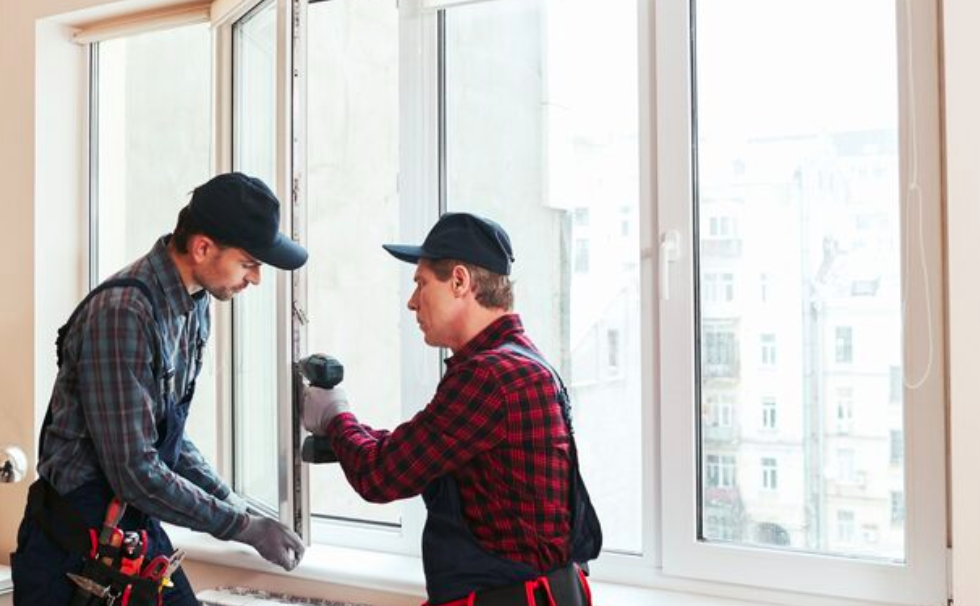
Professional windows installation is essential to ensure that your home remains airtight and properly insulated. Skilled installers understand the nuances of frame alignment, weather stripping, and caulking, all of which are vital for preventing air leaks.
When you prioritize expert installation, you ensure that your investment performs exactly as intended, maximizing your long-term energy savings and overall home comfort.
Choosing the Right Replacement Windows for Efficiency
When the time comes to update your home, selecting the right replacement windows is a strategic decision that pays off for years. You should focus on features like double or triple-pane glass, which contain inert gases such as argon or krypton between the layers to provide superior insulation.
Additionally, look for low-emissivity (Low-E) coatings that reflect infrared light, keeping your home warmer in the winter and cooler in the summer without blocking out natural light.
A thoughtful selection process ensures that your new units are tailored to your specific climate, effectively curbing energy waste.
Reducing the Load on Your HVAC System
Your HVAC system is one of the largest consumers of energy in your home. When your windows are drafty or poorly insulated, your heater or air conditioner must run constantly to maintain a steady indoor temperature.
By installing windows that minimize thermal transfer, you reduce the strain on these mechanical systems.
This not only leads to lower energy consumption but also extends the operational lifespan of your HVAC equipment, as it no longer needs to work at maximum capacity to compensate for temperature fluctuations caused by inefficient windows.
Enhancing Thermal Comfort Throughout the Seasons
Energy efficiency is not just about cost; it is about the quality of your daily life. High-performance windows eliminate the uncomfortable cold spots that often develop near window frames during winter.
Similarly, they prevent the sweltering heat that can penetrate single-pane glass during the peak of summer. By maintaining a consistent temperature across every room, these windows create a more stable and pleasant living environment.
This thermal consistency means you can enjoy every corner of your home, regardless of the extreme weather conditions occurring outside your walls.
Preventing Heat Gain and Loss Through Glass
The glass itself is a major factor in your home’s energy balance. Solar heat gain can drastically spike your cooling costs during the summer, while heat loss can drain your finances in the winter. Advanced window technology allows you to control how much solar energy enters your home.
By selecting products with specific solar heat gain coefficients, you can optimize your windows to suit the orientation of your house.
This level of control is a powerful tool for maintaining a comfortable climate while keeping your energy expenditures under strict control.